
The Solution
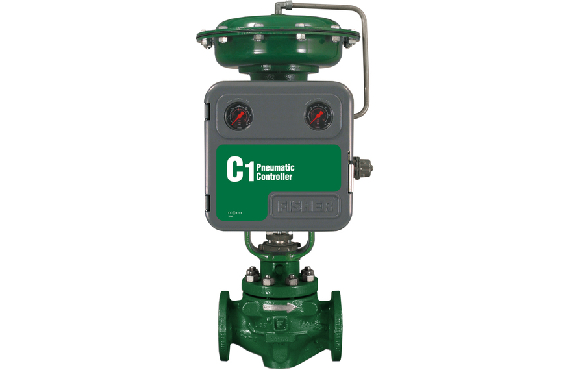
Spartan Controls implemented a two‑part approach to eliminate methane emissions at the source. High‑bleed pneumatic controllers—defined as devices venting more than 6 scfh—were converted to low‑bleed controllers operating below 6 scfh, significantly reducing methane release during normal operation.
Where further emissions reduction was required, pneumatic control loops were retrofitted to operate on instrument air. This approach reduced on‑site air volume demand while eliminating greenhouse gas emissions from active dynamic loops, all without compromising process control or reliability.
Where further emissions reduction was required, pneumatic control loops were retrofitted to operate on instrument air. This approach reduced on‑site air volume demand while eliminating greenhouse gas emissions from active dynamic loops, all without compromising process control or reliability.