
The Solution
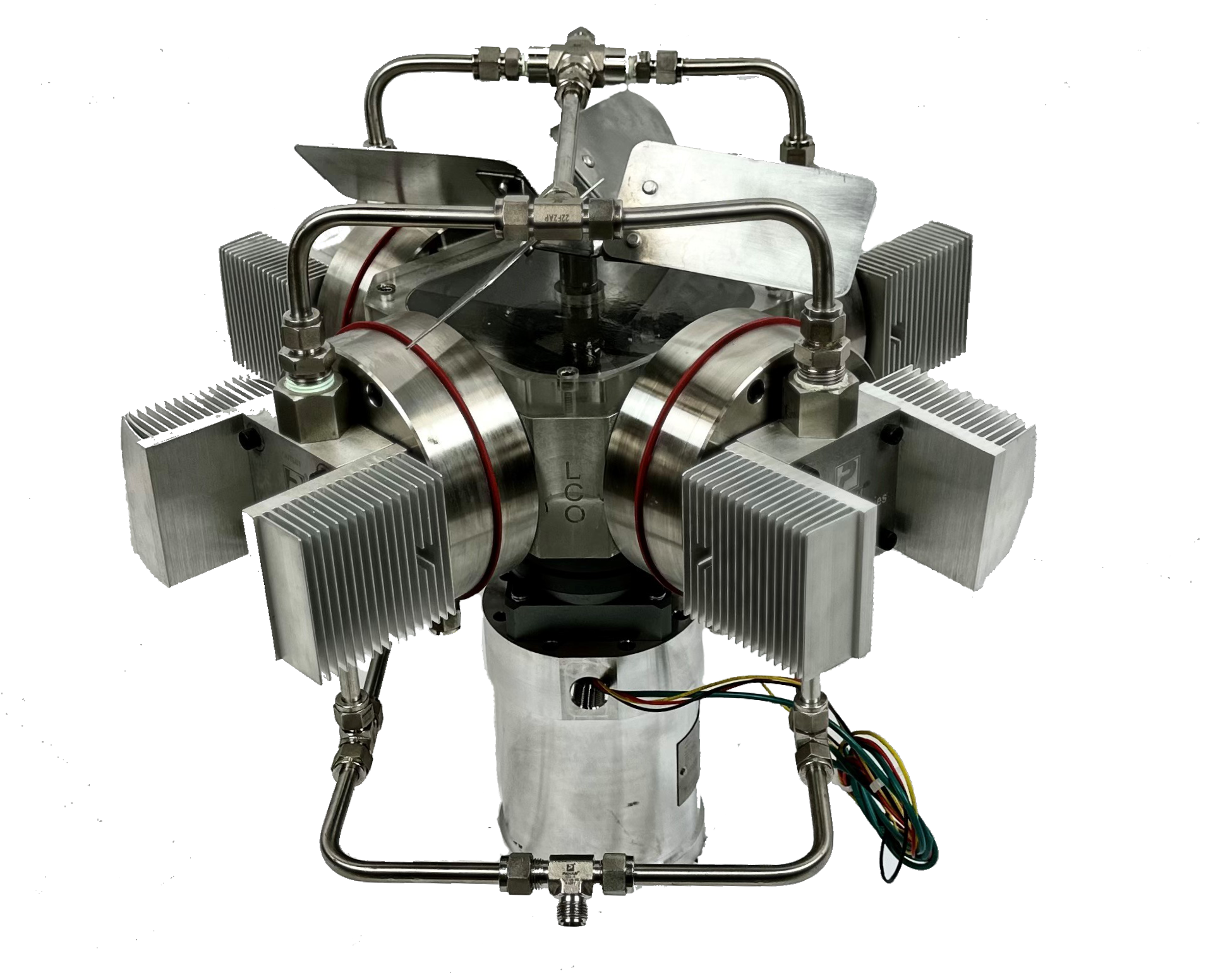
Spartan Controls implemented two LCO Vapor Recovery Units (VRUs) to capture methane emissions from oil and gas production tanks while maintaining stable tank pressure under fluctuating flow conditions. The VRUs automatically responded to changing vent rates, preventing vacuum or overpressure events and preserving blanket gas integrity. Full integration with the site’s Allen‑Bradley PLC ensured reliable, optimized operation without process disruptions.
The solution also converted previously vented gas into a usable resource. Recovered vapors were redirected for on‑site heat generation or recompressed for sale, eliminating atmospheric venting while delivering measurable carbon and fuel gas savings.
The solution also converted previously vented gas into a usable resource. Recovered vapors were redirected for on‑site heat generation or recompressed for sale, eliminating atmospheric venting while delivering measurable carbon and fuel gas savings.