The Solution
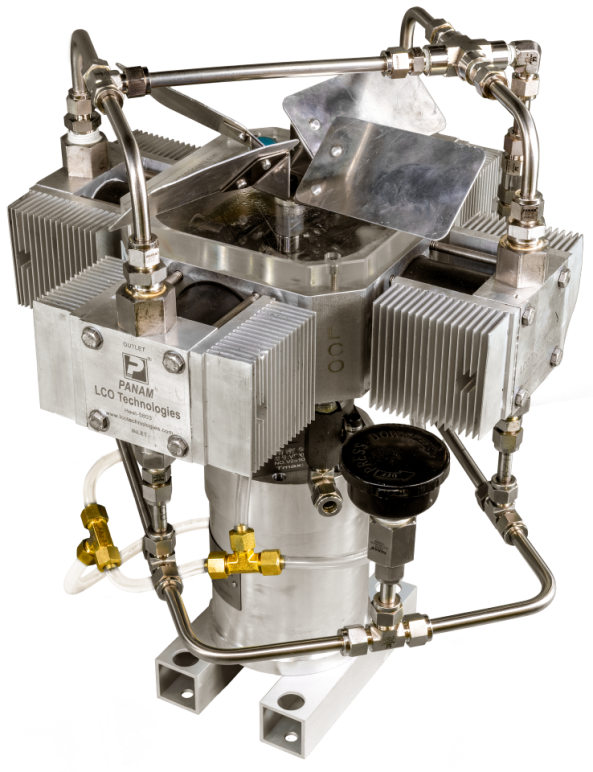
Spartan Controls worked with operators to eliminate methane emissions at the source by modernizing pneumatic control infrastructure. This approach focused on converting high‑bleed pneumatic controllers to low‑bleed devices and retrofitting gas‑driven control loops to operate on instrument air. By deploying the LCO Air Compressor, operators were able to reduce on‑site air volume demand while maintaining reliable and responsive control performance.
Replacing fuel gas with instrument air eliminated methane emissions from active dynamic loops without disrupting operations. The solution improved maintainability reduced long‑term emissions risk and allowed operators to meet environmental objectives with a clear and defensible return on investment.
Replacing fuel gas with instrument air eliminated methane emissions from active dynamic loops without disrupting operations. The solution improved maintainability reduced long‑term emissions risk and allowed operators to meet environmental objectives with a clear and defensible return on investment.
Take the Next Step
Connect with a Specialist
Connect with an expert who understands Western Canadian industrial operations.