Author: Tanner Doig
Accurate process analysis starts with representative sampling. Even the most advanced analyzers can only perform as well as the sample they receive. When a sample is fractionated or altered before reaching the analyzer, measurement errors occur, and the financial consequences can be significant.
This challenge becomes even more critical when dealing with light ends in liquid sampling and heavy ends in gas sampling. In both cases, phase changes can cause the measured composition to differ from the actual composition flowing in the pipeline.
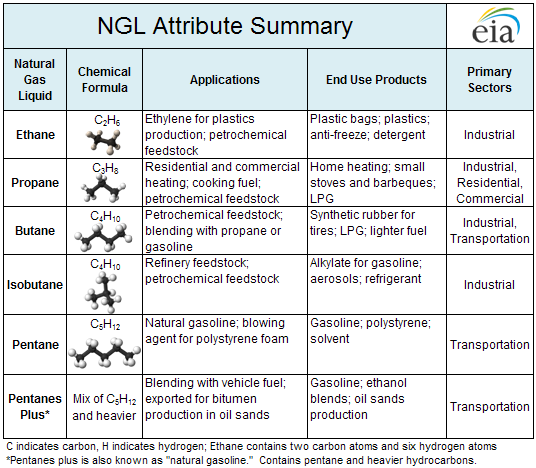
Source: U.S. Energy Information Administration, Bentek Energy LLC
Understanding Light and Heavy Components in NGL Streams
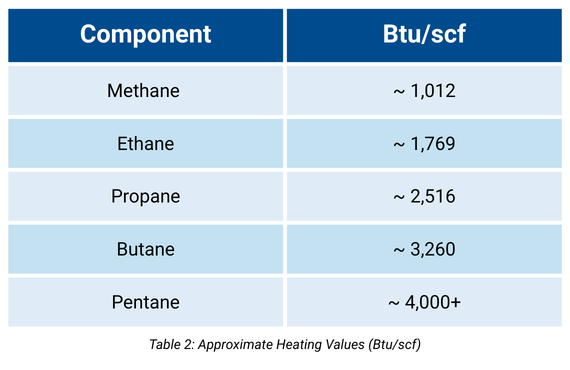
In Natural Gas Liquids (NGL) sampling, light ends refer to the lowest‑molecular‑weight hydrocarbons, Methane (C1), Ethane (C2), Propane (C3), Butanes (C4), and sometimes Pentanes (C5). Heavy ends are the larger hydrocarbons, generally Hexane and above (C6+), which are essential for determining the full energy content and compositional profile of the stream.
Accurately capturing natural gas (C1), natural gas liquids (C2–C5), and heavy‑end components (C6+) is critical for proper NGL characterization. The measured volume fraction of these hydrocarbons is directly tied to the commercial value of the transferred product.
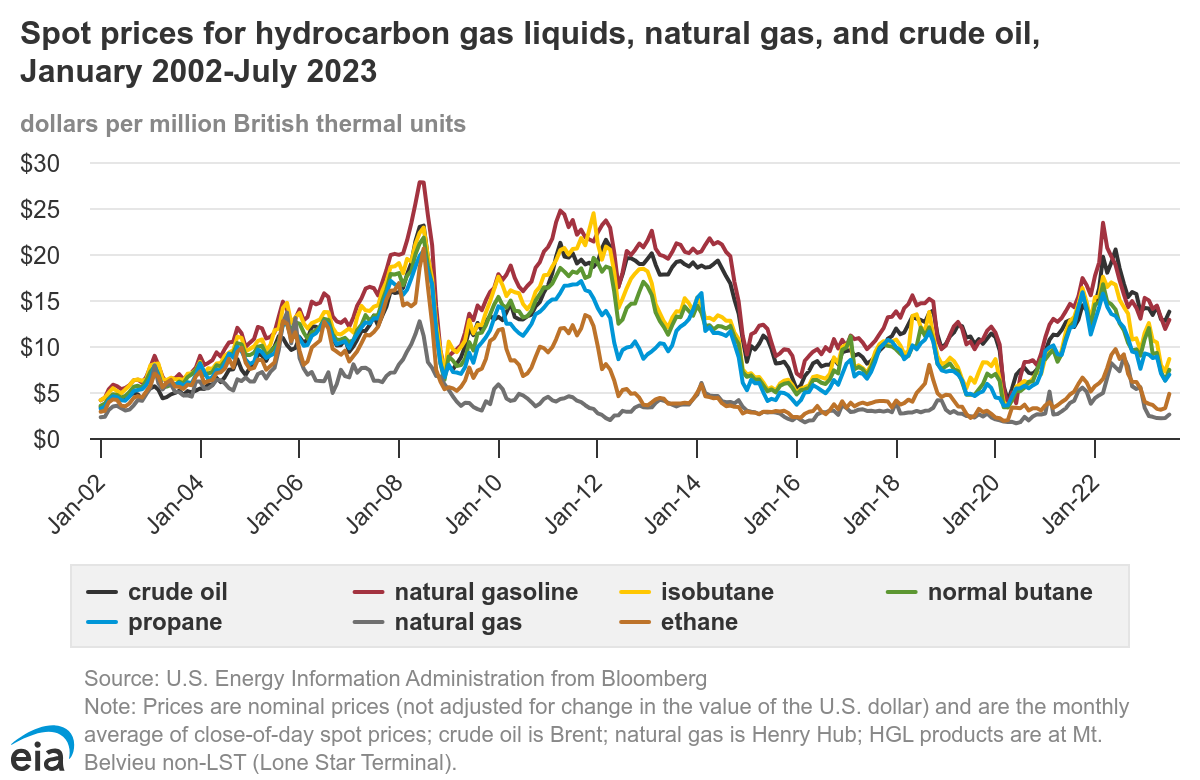
Source: U.S. Energy Information Administration from Bloomberg
Light End Capture in Liquid Sampling
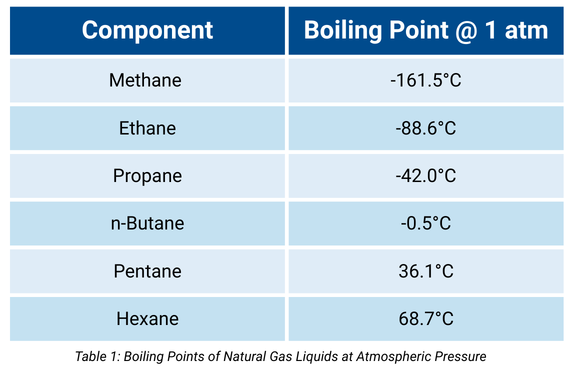
One of the most common sources of compositional bias in NGL samples is the behavior of light ends. These components have low boiling points, making them highly susceptible to flashing with even small pressure drops or minor temperature increases.
Additional risk occurs when samples are exposed to headspace or atmosphere:
- Light ends immediately migrate into the gas phase
- They escape or redistribute unevenly
- The remaining liquid composition is permanently altered
These effects demonstrate just how easily light ends can flash off unless the sample is maintained at the proper pressure and temperature throughout the entire sampling process.
Heavy End Capture in Gas Sampling
While liquid sampling focuses on keeping light components in solution, gas sampling presents the opposite challenge: preventing heavy ends from dropping out.
Heavier hydrocarbons (C6+) can condense out of the gas phase when:
- The gas cools below its hydrocarbon dew point
- Gas velocity drops, allowing heavier molecules to settle
- Internal surfaces promote condensation or adsorption
Once these components condense, they never reach the analyzer. The result is an understated heating value, a misrepresented composition, and ultimately, lost revenue.
Maintaining Sample Integrity with Constant Pressure Cylinders
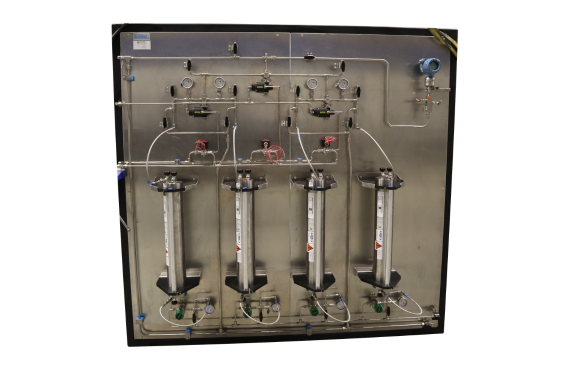
Constant‑pressure cylinders (CPCs) are sealed containers designed to maintain sample pressure from initial capture through transport and into the laboratory. By preventing pressure loss, CPCs eliminate phase change and preserve both light and heavy components.
This means light ends that would otherwise flash to headspace, and heavy ends that would otherwise condense or adsorb, remain fully represented in the sample.
How Small Heating Value Errors Lead to Major Losses
Natural gas is sold based on energy content (Btu/scf). When heating value is inaccurately calculated due to sampling or analysis errors, the revenue impact can be substantial.
Assumptions (API 14.1 quality‑error example):
- Gas volume: 100,000 Mcf/day
- Actual heating value: 1,200 Btu/scf
- Reported heating value due to quality error: 1,180 Btu/scf
- Price: $4.50 per MMBtu
Calculated impact:
- Actual energy: 120,000 MMBtu/day
- Reported energy: 118,000 MMBtu/day
- Energy loss: 2,000 MMBtu/day
Financial loss:
2,000 MMBtu/day × $4.50 =
$9,000 per day, or
$270,000 per month
Even a 1–2% error in heating value can result in major financial losses. Accurate light‑end and heavy‑end capture is essential to protecting product value.
Representative Sampling Requires a System Level Approach
Capturing light and heavy ends is only one part of achieving a truly representative sample.
Other challenges in quality measurement sampling include:
- Flow characteristics: Non‑uniform or unstable flow
- Pipeline dispersion: Insufficient mixing or uneven distribution across the pipe cross‑section
- Sample location: Low‑velocity, stratified, or otherwise non‑representative flow
- Isokinetics:Velocity mismatch between the pipeline stream and the sampling nozzle
- Sample transport: Excessive transport time, pressure loss, or dead volume
Together, these factors highlight why sampling must be approached holistically when designing a quality measurement system.
Solving Sampling Challenges Through Proven Expertise
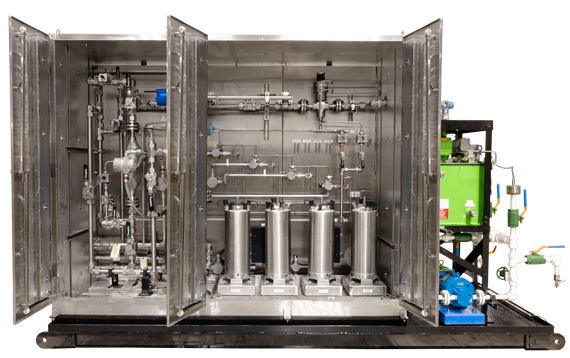
Spartan Controls, in partnership with Kimman Process Solutions (KPS), delivers advanced technologies and proven methodologies to address today’s sampling challenges.
KPS is a recognized specialist and leader in the design, production, and maintenance of sampling, analyzing, and blending systems for the global energy industry, providing purpose‑built solutions for oil, gas, biofuels, hydrogen, and carbon dioxide (CO₂) applications.
Together, Spartan Controls and Kimman Process Solutions provide:
- High‑performance mixing solutions for representative sample extraction
- Online measurement integration within fast‑loop architectures
- Reliable, low‑maintenance sampling hardware for long‑term system integrity
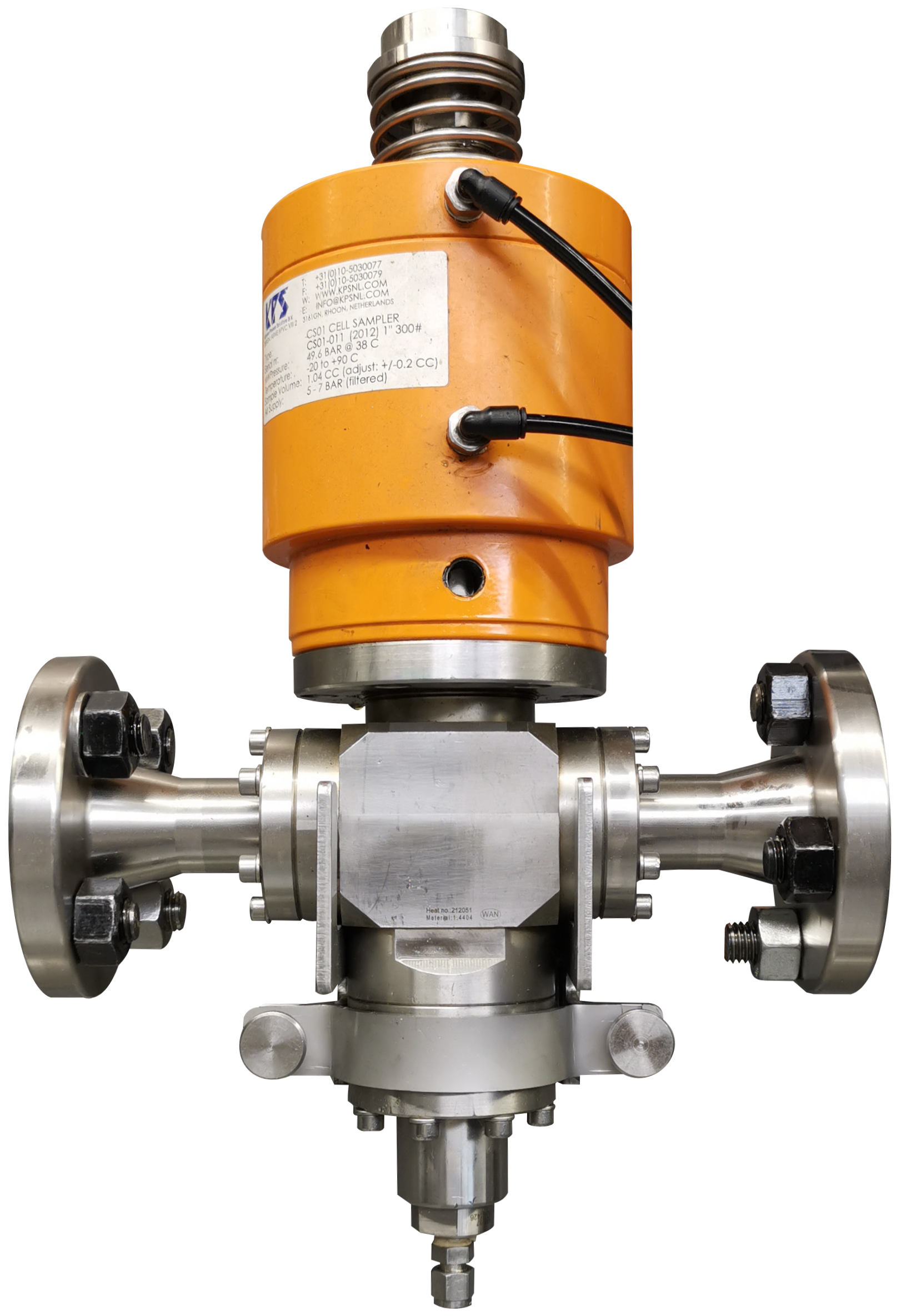
By combining modern sampling design with next‑generation cell samplers and conditioning systems, operators can preserve light ends, retain heavy ends, and achieve consistent, defendable measurement quality.